Why Code Compliance is Important
Ever wonder whether the deck in your backyard is really safe to spend time on? Decks can be wonderful places for entertaining, getting away, relaxing, looking at the stars, making memories and more. But it can be a nightmare when your leg goes through a rotted board, the railing falls off or the deck collapses away from the house. In the deck building industry I like to believe the best about all contractors; that they all strive to build with quality craftsmanship and safety in mind. Unfortunately, that’s just not the case with every contractor. Or you have the over eager DIY’er who didn’t understand all the code requirements and did the best he knew how.
I don’t know about you, but I like to take a look at things myself and make sure they are safe so I can have peace of mind going forward. Code compliance on decks is not only about peace of mind though. You also have to think about the resale value of the house when/if you decide to move away and sell the property. Things like a non-compliant deck can really cut into your return on investment when the home inspector flags them and you’re unexpectedly caught with the cost.
Although some deck related code violations are simple fixes, others can be quite costly. So whether you are buying a home, you want peace of mind, or you’re hoping to sell in the near future; this comprehensive guide is for you. I’m gonna take everything I know about deck safety and code compliance and try to tie it into a neat package for you.
The Benefits of a DIY Inspection
I don’t know about you, but I like to save a few bucks when I can and DIY things around the house. When it comes to something like a safety inspection there are times it’s better to call in a professional. For example, I wouldn’t attempt an electrical code inspection on my house because I don’t have the expertise.
However, there can be some benefits to doing preliminary inspections yourself.
- If you call on a deck building company, they are motivated to sell you a decking project and therefore may or may not give you unbiased advice on your deck.
- You can save the cost and time of having someone to come out and look at the deck. Doing it on your own schedule is more flexible.
- If you do decide that your deck needs some repairs or upgrades, you will be that much more well informed to talk with potential contractors about what you need.
In my opinion, being armed with all the information you can before hiring a contractor is the best way to avoid being overcharged for a less than ideal product. As soon as the contractor gets the feeling that you know what you’re talking about suddenly the playing field is leveled and they know they can’t play games with you.
Understanding Building Codes for Decks
Before we dive into the specifics of deck building code there are a couple of things that you need to understand. One of the foremost is that code documents are often lengthy and detailed to a point that it can be overwhelming. That’s why we are going to break down some of the most important elements of deck safety and code compliance for you here. Before we get into that, let’s look at what deck codes even are.

Definition and purpose of building codes
According to the National Institute of Standards and Technology, building codes are, “laws that set minimum requirements for how structural systems, plumbing, heating, ventilation and air conditioning (HVAC), natural gas systems and other aspects of residential and commercial buildings should be designed and constructed.” Building codes are put in place to protect the general welfare and public safety of individuals around the country. Although codes vary from state to state and city to city they exist to provide a uniform set of rules that guide the safe construction of the buildings and structures that we spend so much time in and on. I myself am grateful that we have these safety measures in place within the construction industry.
Variation of building codes by location
Unfortunately, because of the drastic differences in climate, geography, and demographics building codes vary significantly from state to state and city to city as I mentioned above. Each city or county takes the basic minimums of the national building code and makes adjustments based on factors like energy efficiency, accessibility, and other region specific factors. For example, houses in Florida may need to be built higher off the ground and with hurricane impact resistant windows unlike a Vermont home that needs a steeply sloped roof to shed snow appropriately. Before you give up, let’s look at a couple resources you can use to look up your local code.
Resources for accessing local building codes
There are many resources that you can find to help you both locate and interpret the codes for your specific region. From a nationwide perspective you might start with BuildingGuides list of codes by state. Since we are located in MA, I’m gonna focus on resources for those who live in this state, but many of the same methods apply elsewhere. For the full state code documents you can visit Mass.gov to download a PDF copy. For more specific city or town code requirements follow these simple steps:
- Open your browser of choice and type “building code [Your Town Here]”
- Inspect the URL of the first result to confirm it is a city website.
- Click into the website and use the search bar (or Ctrl + F) to find information related to decks.
- (Optional) There are usually other resources and blogs further down the page that will help with the interpretation part.
Although you may only understand a fraction of what you just read or saw, that’s ok. You now know where to find it if you need to get a question answered or reference something. You can even bookmark the page for easy access. Finally, if you feel like this is a waste of time you can also reach out to a local building inspector and see if they can give you pointers on what to keep an eye out for.
Preparing for the Inspection
Preparation is always a key part of doing a thorough inspection of anything construction related. That’s why we took the time to go into detail about building codes and how to find them. I’m sure you’re ready to tear into the deck inspection by now, but hold on just a little longer. I promise it will be worth your time.
Gathering necessary tools and equipment
Every in-depth inspection requires some tools so that you can look a little deeper than just the surface and record your findings. Here is a list of tools I think you’ll want to have on hand:
- Tape measure: For measuring dimensions such as railing height, spacing, and stair rise and run.
- Level: To check for any unevenness or sloping in the deck surface, stairs, and railings.
- Flashlight: For inspecting areas underneath the deck, especially in low-light conditions.
- Safety gloves: To protect hands while handling materials and inspecting potentially rough or splintered surfaces.
- Electric Drill and/or Impact Driver: For tightening loose fasteners or connectors found during the inspection.
- Hammer: To tap on structural components and assess their soundness.
- Cleaning brush or broom: To clear away debris and dirt from the deck surface and inspecting areas.
- Notepad and pen: For taking notes on observations, measurements, and any issues discovered during the inspection.
- Camera or smartphone: To document findings with photographs for reference and future planning.
- Personal protective equipment (PPE): Such as safety glasses and sturdy footwear, for added protection during the inspection.
Reviewing deck plans and permits
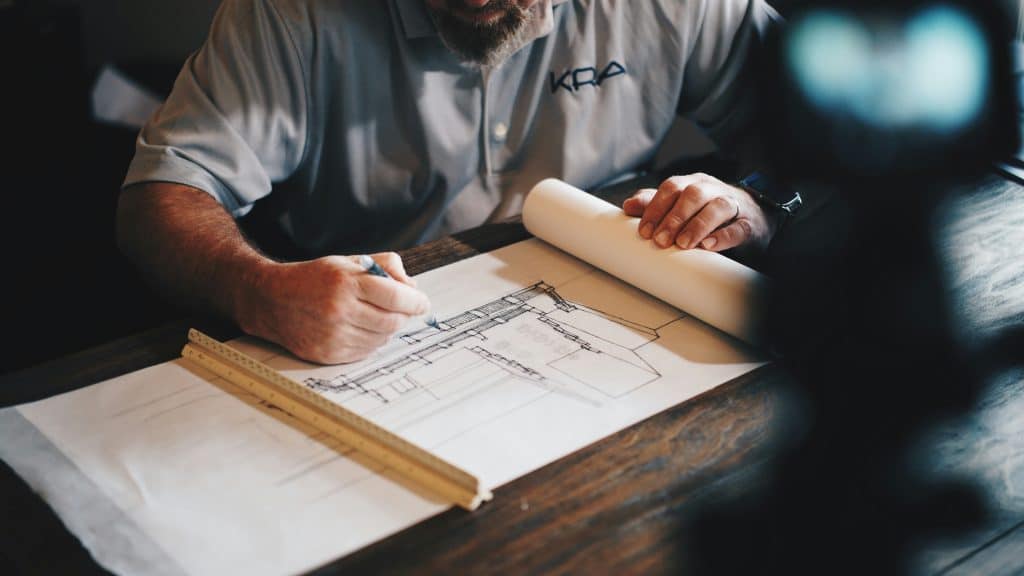
After you’ve gathered all the necessary tools and materials, you’ll want to get out the deck plans and permits if you have them. If you just bought the house and have no idea where to look for this information, you can usually request the plot plan, permit and drawings from the office of inspectional services in your local town. Having access to these plans will give you a good idea of how the deck was built and give you red flags to check. Most likely you won’t see anything wrong until you actually get down to the deck inspection itself. After you’ve taken some time to review these documents you’re ready to get started with the deck inspection.
Key Areas to Inspect
For this next section I am going to walk you through each of the key areas of the deck that you should be looking at, measuring and taking note of. I will try to cite general code requirements as we go so that you know what to look out for each step of the way. Make sure to take photos and notes throughout the whole process so that you have something to review at the end. Let’s dive in.
Structural Integrity
Structural faults in the deck are both the most worrisome and the most expensive to fix. These include some of the most important things to address for the safety of your deck use. If there is any part of the inspection where you are going to pay the most attention, this is it.
Checking for rot or decay in posts, beams, and joists
Rot and decay can compromise the structural integrity of the deck, posing safety risks for anyone using it. During the inspection, I carefully examine each post, beam, and joist, looking for signs of deterioration such as soft spots, discoloration, or visible fungal growth. Additionally, I probe the wood with a screwdriver or similar tool to check for any areas that feel spongy or give way easily, indicating rot beneath the surface. Be sure to also look out for cracks in any supporting beams or posts as this can spell trouble if unaddressed. Identifying and addressing rot or decay promptly is essential for maintaining a sturdy and safe deck for years to come.
Checking out the foundations
The foundations serve as the backbone of the deck, providing stability and support. To ensure their integrity, I meticulously examine each footing and pier, looking for signs of shifting, settling, or damage. Foundations can come in different forms such as helical steel piles and concrete. I pay particular attention to any cracks or gaps in the concrete footings, as well as any signs of soil erosion around the base. To confirm that they are up to code, it’s best to dig down around any concrete footings to ensure they run at least 4 ft deep. Finally, I assess the alignment and spacing of the piers to confirm they adequately support the weight of the deck.
Assessing connection points for stability
When assessing connection points for stability during my DIY deck inspection, I meticulously examine all areas where fasteners, screws, bolts and metal components are utilized. I ensure that each fastener is securely attached and shows no signs of loosening or corrosion. Additionally, I inspect wood posts to confirm they have proper caps and bases installed, providing protection against moisture and decay. I then inspect all the joist ties to make sure they are not too rusted.
Another critical aspect of connection point assessment is checking the ledger board attachment to the house. I verify that staggered lag bolts are used to secure the ledger board, providing robust support and minimizing the risk of ledger failure. By paying close attention to these connection points, I can maintain the structural integrity of my deck and enhance its safety and longevity.
Check for bug damage
It’s also crucial to check for bug damage as a potential threat to the deck’s structural integrity. I examine all wooden components, including posts, beams, and joists, for signs of insect infestation. Common indicators of bug damage include small holes, sawdust-like frass, or weakened areas in the wood. Additionally, I inspect areas where the deck attaches to the house or rests on the ground, as these locations are more susceptible to insect activity. If I detect any signs of bug damage, I take immediate action to address the issue, which may involve treating the affected areas with insecticides or replacing damaged wood to prevent further deterioration.
Railings
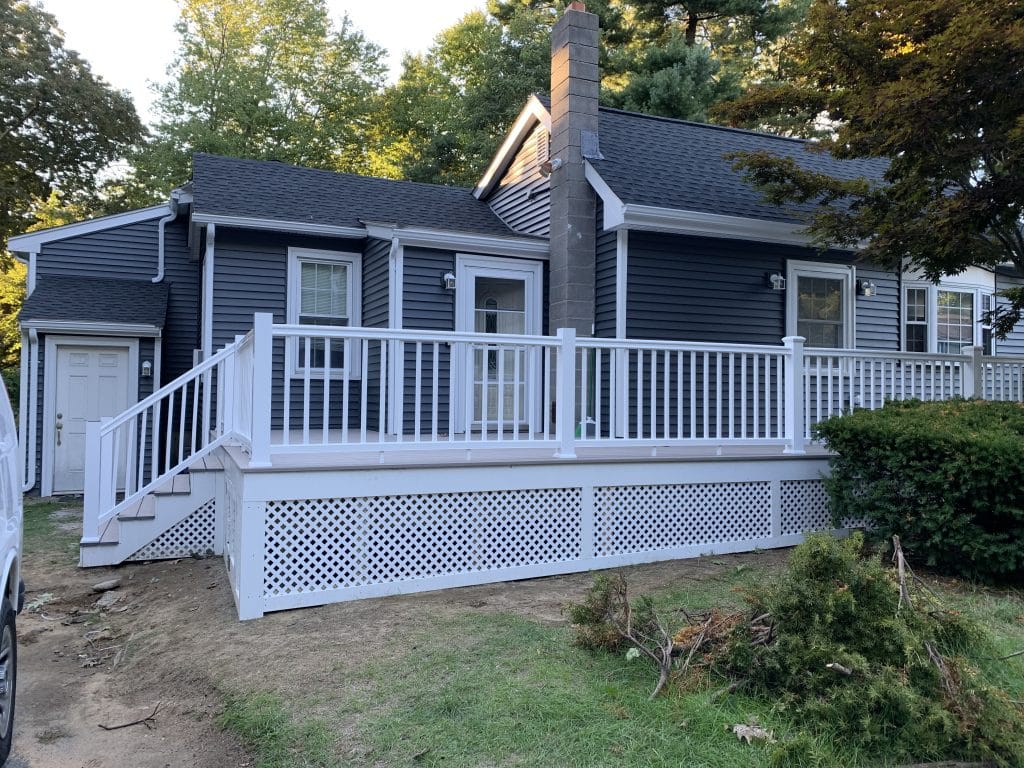
Railings play a vital role in preventing falls and providing stability for anyone using the deck. In this section, we’ll delve into the key considerations for inspecting railings and guards to ensure they meet code requirements and maintain optimal safety standards. Let’s explore how to assess their height, spacing, stability, and overall condition to keep your deck secure for years to come.
Measuring height and spacing
When I measure the height and spacing of railings on my deck, there are a couple of things to keep an eye out for. Here, the Massachusetts building code mandates that decks exceeding 30 inches in height must have a railing installed, which must be at least 36 inches in height to provide adequate protection. Additionally, the code specifies that balusters, the vertical components of the railing, must have a maximum spacing of 4 inches between each baluster. This spacing regulation is crucial for preventing small children or pets from slipping through the gaps and sustaining injuries. During my inspection, I use a tape measure to verify that the railing height meets the minimum requirement and ensure that the spacing between balusters complies with Massachusetts building code standards.
Testing stability
Testing stability of the railings is as simple as giving the railing a good shove and seeing how much it moves. Look for any sections of the railing that are specifically susceptible to force. In MA, railings need to be able to withstand 200 lbs of concentrated force in any direction to be up to code. You don’t have to spend too much time on this step, but take note of any loose sections so that you can replace them later.
Accessibility considerations
Some things to keep in mind with railings on the stairs is that a graspable handrail is required by code. For stair rails with a perimeter dimension greater than 6¼” you will need to install an additional graspable handrail on the inner section to bring it up to code. Make sure to take notes of these measurements as you go.

Stairs and Landings
As we continue our comprehensive inspection of your deck, another crucial aspect to consider is the condition of stairs and landings. Stairs and landings not only provide access to and from your deck but also contribute significantly to its overall safety and usability. In this section, we’ll delve into the key factors to assess when inspecting stairs and landings, including their rise and run, tread condition, and overall stability. We’ll explore how these elements impact the safety and functionality of your deck, ensuring that it remains a secure and inviting space for all who use it.
Measuring rise and run
When evaluating the stairs on my deck, one crucial aspect I focus on is measuring the rise and run of each step. The rise refers to the vertical height of each step, while the run denotes the horizontal depth. According to building codes, including those in Massachusetts, consistent rise and run dimensions are essential for safe and comfortable stair usage. In Massachusetts, the building code typically mandates a maximum rise of 7.75 inches and a minimum run of 10 inches for residential stairs. To ensure compliance, I use a tape measure to carefully measure the height of each step from the top of one tread to the next, and I measure the depth of each tread horizontally from the nosing of one step to the nosing of the step below.
Checking tread condition
The treads, which are the flat surfaces where we place our feet while ascending or descending the stairs, are subjected to significant wear and tear over time. During my inspection, I carefully examine each tread for signs of damage, such as cracks, splinters, or warping, which can compromise traction and pose a safety hazard. Additionally, I check for any loose or protruding nails or screws that could cause tripping.

Deck Surface
As we continue our thorough inspection of your deck, we turn our attention to an essential element: the deck surface. Serving as the foundation for all activities and gatherings on your deck, the surface plays a crucial role in both aesthetics and functionality. In this section, we’ll explore the key considerations for evaluating the condition of your deck surface, including identifying loose or damaged boards and assessing the integrity of any surface coatings or finishes.
Identifying loose or damaged deck boards
When inspecting my deck surface, one of the primary concerns I address is identifying any loose or damaged deck boards. These boards, which form the walking surface of the deck, are subjected to constant exposure to the elements and foot traffic, making them susceptible to wear and tear over time. During my inspection, I carefully walk across the deck, paying attention to any areas where the boards feel unstable or give way beneath my weight. I also visually inspect the surface for signs of damage, such as cracks, splinters, or rot. Additionally, I use a screwdriver or similar tool to gently probe the boards, checking for any areas where the fasteners may have become loose or corroded.
Evaluating surface coating condition
Surface coatings play a crucial role in safeguarding the deck against moisture, UV rays, and general wear and tear. During my inspection, I closely examine the surface for any signs of damage or deterioration in the coating, such as peeling, cracking, or flaking. I also assess the overall coverage and consistency of the coating, ensuring that it provides uniform protection across the entire deck surface. Additionally, I consider the age of the coating and any maintenance or reapplication schedule recommended by the manufacturer. Keep note of anything you notice.
Documenting Findings and Taking Action
Now that you’ve done all the hard work of researching and documentation you can sit down with your notes and photos and start to make decisions about where you want to go from here. At this point you may either be overjoyed or somewhat depressed about the condition of your deck. Don’t worry if your deck isn’t in the best shape, I’ll walk you through how you should address each problem.
Addressing issues through DIY repairs or professional assistance
First of all, take all the notes and photos and try to organize the issues into order of importance. That way you get all the most pressing issues addressed first. As a rule of thumb, I encourage you to get structural issues addressed by a trusted professional so that you can be sure it’s done right. If you do go this route, you are now armed with all the information you need to ensure the contractor does the work right. However, if your main problems are some loose boards and some chipping stain, I highly recommend that you try to address it yourself. You can check out our blog for other helpful guides on some of the common repairs that people need to do to their decks. There are also many helpful deck building channels such as Dr. Decks that walk you through some of the most common maintenance and care routines.
Scheduling regular inspections for ongoing maintenance
To ensure the ongoing safety and longevity of my deck, I would prioritize scheduling regular inspections as part of your maintenance routine. These inspections are crucial for identifying and addressing any issues early on, before they escalate into more significant problems. I aim to conduct inspections at least once a year, preferably before the start of each outdoor season, to catch any issues that may have arisen during the winter months. Additionally, I schedule additional quick inspections after severe weather events or if I notice any signs of wear or damage.
Conclusion
In conclusion, adhering to building codes and conducting regular DIY deck inspections are essential practices for maintaining a safe, durable, and code-compliant outdoor space. By familiarizing ourselves with local building codes and regulations, such as those outlined by the Massachusetts building code, we can ensure that our decks meet safety standards and remain in compliance with legal requirements. Through thorough inspections of key components like railings, stairs, and surface coatings, we can identify potential issues early on and address them promptly, minimizing the risk of accidents and costly repairs down the line. By prioritizing safety and proactive maintenance, we can enjoy our decks with confidence, knowing that they provide a secure and inviting environment for relaxation, entertainment, and cherished memories with family and friends. Remember, a little diligence and attention to detail go a long way in keeping your deck safe and enjoyable for years to come.

Joshua Hofer
https://bostonhardwooddecks.comJoshua Hofer is the owner of Boston Hardwood Decks, driven by a deep passion for serving the community. His company stands out for its commitment to providing Boston homeowners with trustworthy professionals and top-notch workmanship for their outdoor deck projects. With a focus on quality and reliability, Joshua has built Boston Hardwood Decks into a trusted name in the industry, ensuring that every customer receives exceptional service and a beautiful, lasting deck for their home.